

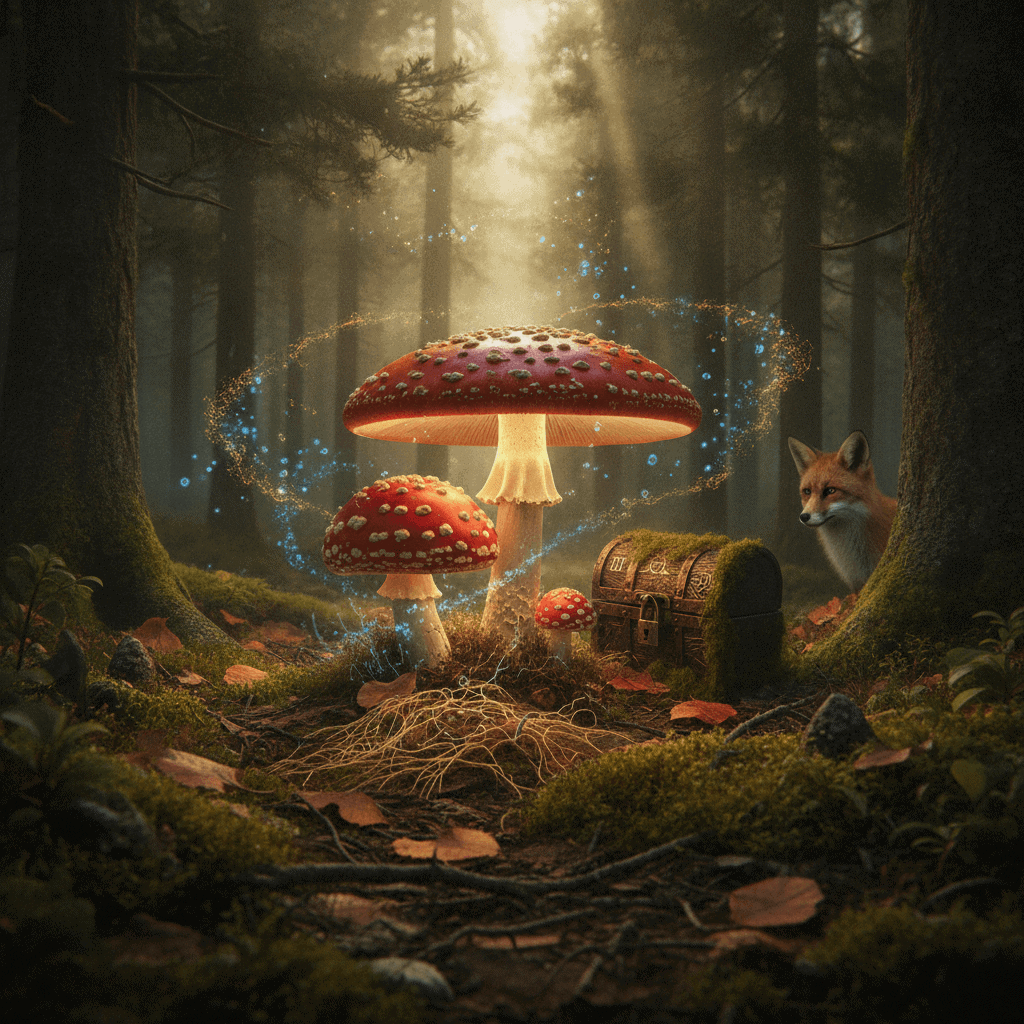
The natural world holds countless wonders and mysteries. Among these, the realm of fungi often captures our imagination. I find the striking appearance of some mushrooms truly captivating. It makes us want to learn more about the diverse ecosystems around us. One particular fungus stands out with its bright colors and storied past.
This mushroom has been a part of human history and folklore for centuries. Its distinct look makes it instantly recognizable, but its true nature is often misunderstood. We are exploring the secrets behind this fascinating organism, delving into its biology, history, and the scientific facts that define it. Understanding these aspects helps us appreciate the complexity of the natural world.
My goal is to share clear, factual information about this intriguing mushroom. I want to help you understand its place in nature and culture. This exploration is another way we can make outdoor adventure count. Learning about the world around us deepens our connection to it.
Understanding the Iconic Look of Fly Agaric Mushrooms
When most people picture a classic toadstool from fairy tales, they are likely thinking of the fly agaric mushroom. This fungus, scientifically known as *Amanita muscaria*, boasts a remarkably distinctive appearance. Its cap is usually a vibrant red or orange, although some varieties can be yellow or white. The cap is often adorned with white or yellowish flecks, which are remnants of the universal veil that covered the young mushroom.
These white spots are actually patches of tissue. They can sometimes wash off during heavy rain, which changes the mushroom’s look. The stem, also called the stipe, is typically white and stout. It features a skirt-like ring, or annulus, near the top. This ring is another part of the universal veil that breaks as the cap expands. We also observe a bulbous base, often with concentric rings of tissue, which is called the volva.
The fly agaric is widespread across the Northern Hemisphere. It grows in various forest types, commonly found under pine, spruce, birch, and fir trees. I have seen them in many different settings during my outdoor adventures. They prefer cooler climates and often fruit in late summer and autumn. Their bright colors make them easy to spot against the forest floor. These mushrooms form a symbiotic relationship with tree roots.
They exchange nutrients in a way that benefits both the fungi and the trees. This relationship is critical for the health of forest ecosystems. Many other mushrooms also rely on such connections to thrive. This intricate network below the soil is a secret world in itself, largely unseen but incredibly vital.
Variations in Appearance
While the classic red cap is most famous, *Amanita muscaria* shows some regional variations. In certain parts of North America, especially the Pacific Northwest, a yellow-orange variant known as *Amanita muscaria* var. *guessowii* is common. I have encountered these paler versions during my travels. They still maintain the characteristic white spots and overall structure.
Another variant, *Amanita muscaria* var. *formosa*, also displays yellowish to orange caps. These differences in coloration highlight the diversity within the species. It also reminds us that nature rarely follows strict rules. Always identify mushrooms by multiple features, not just color, because environmental factors can influence pigment.
The Deep Historical Roots and Cultural Impact of *Amanita muscaria*
The fly agaric mushroom holds a significant place in human history and culture, stretching back thousands of years. Its presence is woven into the folklore of various civilizations, particularly in northern Europe and Siberia. Ancient peoples observed its distinct appearance and effects, giving rise to numerous myths and legends. These stories often attribute magical or spiritual properties to the mushroom.
Many scholars suggest that the fly agaric played a role in Norse mythology, possibly influencing tales of berserkers. These warriors were said to enter trance-like states before battle. Some theories link their heightened aggression and insensitivity to pain to the consumption of *Amanita muscaria*. I believe understanding these historical contexts gives us a deeper appreciation for the plant world.
The mushroom also features prominently in Siberian shamanic practices. Indigenous shamans traditionally used fly agaric in their rituals to induce altered states of consciousness. They sought visions and spiritual guidance through its consumption. This practice was a central part of their spiritual systems. It provided a means to connect with the spirit world and heal their communities.
Even in modern culture, the fly agaric maintains its iconic status. Children’s books and animated films often depict it as a whimsical home for forest creatures. For more insights into its rich history, including its presence in tales like “Alice in Wonderland”, you can learn about fly agaric mushroom folklore. It shows how deeply this mushroom is embedded in our collective imagination.
Symbolism and Misconceptions
The fly agaric’s vivid red and white imagery has become a universal symbol of mushrooms in general. This widespread recognition sometimes overshadows the factual understanding of the fungus itself. Many people think of it simply as a cartoon mushroom. However its real-world significance is far more complex and interesting.
There is also a common misconception that fly agaric is deadly. While it is certainly toxic and should never be consumed, it is not typically lethal to humans. The compounds present can cause severe discomfort and disorientation. We must always treat wild mushrooms with respect and caution. Accurate information protects us when engaging with nature’s wild offerings.
Decoding the Chemical Makeup of Fly Agaric Fungi
The secrets of the fly agaric mushroom lie partly in its unique chemical composition. This fungus contains several psychoactive compounds, the most notable being ibotenic acid and muscimol. These substances are responsible for the mushroom’s effects when ingested. I have learned that understanding these compounds is key to recognizing why wild mushrooms must be handled with extreme care.
Ibotenic acid is a neurotoxin. It acts as an agonist for glutamate receptors in the brain. Glutamate is a primary excitatory neurotransmitter, so ibotenic acid can overstimulate brain cells. This can lead to a range of symptoms, including nausea, muscle twitching, drowsiness, and hallucinations. The effects are certainly not pleasant for most people.
Muscimol is a derivative of ibotenic acid. When ibotenic acid is decarboxylated, often through drying or cooking, it converts into muscimol. Muscimol is a potent GABA-A receptor agonist. GABA is the brain’s main inhibitory neurotransmitter. This means muscimol depresses the central nervous system, leading to sedative, hypnotic, and dissociative effects. I understand why people have historically tried to use these fungi.
However, the unpredictable nature of these compounds makes any experimental use highly risky. The concentration of these chemicals can vary greatly between individual mushrooms. It also depends on growing conditions, so consistent dosing is impossible. We always advise against consuming any wild mushroom without expert identification. Safety is paramount in all outdoor activities.
Other Compounds and Their Roles
Besides ibotenic acid and muscimol, fly agaric also contains other compounds. These include muscarine, which is often associated with *Amanita muscaria* but is actually present in very low, non-toxic amounts. The name “muscaria” refers to its ability to attract flies. This is why it earned its common name, fly agaric. It was traditionally used as an insecticide when crumbled into milk.
This historical use showcases another practical application of the mushroom. The complex chemistry of the fly agaric reminds us how much there is to discover in nature. Each organism has a unique set of compounds that contribute to its survival and interactions with its environment. This deep dive into mushroom chemistry highlights the importance of respecting their potent nature.
Identifying Fly Agaric Safely in Nature
Proper mushroom identification is a skill that takes time and practice. It also requires immense caution. When you are out in nature and spot a beautiful fly agaric, it is important to know how to identify it correctly. This knowledge is not just for curiosity, it is crucial for safety. I always emphasize that we should only observe and appreciate these mushrooms, never consume them.
The main identifying features include the bright red or orange cap, usually with white flecks. Look for a white stem with a prominent ring around it. The base of the stem often has a swollen, bulbous shape with noticeable scales or rings. These elements collectively form the distinctive look of the fly agaric. It is important to note that these features can change with age or environmental conditions.
Young fly agaric mushrooms sometimes appear as white or yellowish “eggs” emerging from the ground. They are completely covered by the universal veil. As they grow, the cap expands, breaking the veil into the characteristic white patches on the cap and the volva at the base. We must always check for all these identifying characteristics. If any doubt exists, simply leave the mushroom alone.
Many poisonous mushrooms exist. Some look similar to edible ones, and some look similar to fly agaric. For example, some species of *Amanita* are deadly poisonous. I understand the temptation to pick interesting fungi, but responsible foraging means knowing exactly what you are picking. I suggest using field guides and cross-referencing multiple sources. Better yet, go with an experienced mycologist.
Tips for Responsible Observation
- Always observe mushrooms without touching them if you are unsure of their identity.
- Take photos from multiple angles, capturing the cap, gills, stem, and base.
- Note the type of forest and the trees nearby, as this helps with identification.
- Use a reliable field guide and compare your observations carefully.
- Never rely on a single feature for identification, especially color.
These practices ensure a safe and educational outdoor experience. We want to enjoy nature responsibly and avoid any harm. Remember that even harmless mushrooms can cause allergic reactions in some individuals. Always prioritize your safety and the safety of those with you.
Ecological Contributions of the Vibrant Fly Agaric
Beyond its striking appearance and cultural significance, the fly agaric mushroom plays an important ecological role in forest ecosystems. It is a mycorrhizal fungus, meaning it forms a symbiotic relationship with the roots of certain trees. This partnership is mutually beneficial, so both the fungus and the tree gain advantages. I think these hidden underground connections are truly amazing.
The fungi extend their mycelial networks into the soil. They effectively increase the surface area for the tree’s roots to absorb water and nutrients. Trees, in turn, provide the fungi with sugars produced through photosynthesis. This exchange is essential for the growth and health of many forest trees, especially in nutrient-poor soils. We see how interdependent nature truly is.
This relationship is not unique to fly agaric. Many other types of fungi also form mycorrhizal associations. However, *Amanita muscaria* is a particularly strong and well-known example of this phenomenon. It helps support the health of vast forests across the globe. Without these fungi, many tree species would struggle to survive.
The fly agaric’s presence indicates a healthy forest ecosystem. Its bright red caps act as visible markers of these vital underground interactions. I always tell people that seeing a fly agaric in the forest is a good sign. It means that the delicate balance of nature is at work, supporting both large trees and small fungi.
Role in Forest Health
The network of mycelia created by fly agaric and other mycorrhizal fungi acts as a communication highway between trees. They can share nutrients and even defensive compounds through this network. This underground system enhances forest resilience against disease and environmental stress. It is a complex system that scientists are still learning about.
Fly agaric also contributes to nutrient cycling in forests. As its fruit bodies decompose, they return organic matter and nutrients to the soil. This process nourishes other plants and microorganisms. It shows how every organism, no matter how small, plays a part in maintaining ecological balance. We truly make outdoor adventure count when we learn about these intricate relationships.
Unveiling More Secrets of the Natural World
The fly agaric mushroom truly is a marvel of the natural world. It has a captivating appearance and a rich history. We have explored its iconic look, from its vibrant red cap and white flecks to its stout stem and bulbous base. We have also learned about its deep cultural roots, seeing how it inspired folklore and shamanic traditions across different civilizations. I think these stories connect us to the past in a unique way. We also delved into its chemical makeup, understanding that ibotenic acid and muscimol are the primary compounds responsible for its effects. Importantly, we discussed the crucial need for safe identification practices when encountering this or any wild mushroom in nature.
Furthermore, we uncovered the vital ecological role fly agaric plays as a mycorrhizal fungus, supporting the health and growth of forest trees. This partnership highlights the intricate web of life that sustains our natural environments. These secrets remind me that there is always more to learn and appreciate about the outdoors. Every discovery enhances our understanding and respect for the natural world. I believe that taking the time to learn about these elements enriches all our outdoor adventures.
The world is full of such wonders, waiting for us to observe and understand them. I encourage you to keep exploring, keep learning, and always approach nature with a sense of wonder and responsibility. Bejar Francia aims to inspire a deeper connection to the outdoors and to life itself. So, let us continue to discover the myriad ways we can make every outdoor adventure count, ensuring we respect and protect the incredible ecosystems around us for future generations.


